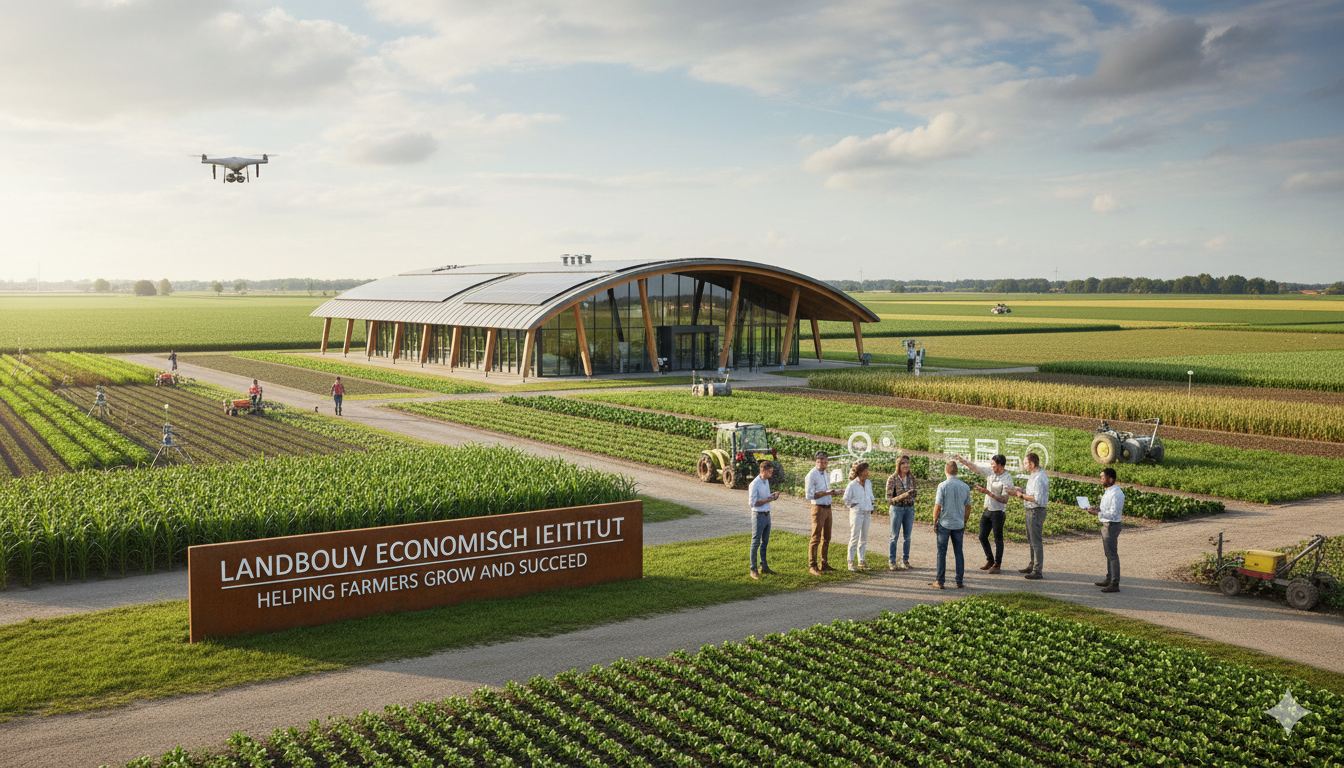
Have you ever wondered who helps farmers make big decisions? Farming is not just about seeds and soil. It is also a very big business. The Landbouw Economisch Instituut is a special group that studies the money side of farming. They look at how much it costs to grow food. They also look at how much money farmers earn when they sell their crops. This group provides the facts that help everyone understand the food world.
Think of the Landbouw Economisch Instituut as a giant library of farming secrets. They collect data from thousands of farms. Then, they use that data to tell stories about the economy. This helps the government make good rules. It also helps local farmers plan for the next year. Without this research, it would be very hard to know if our food system is healthy and strong.
Why Farming Data Matters for Everyone
You might think that farm data is only for people in tractors. But that is not true at all! The work done by the Landbouw Economisch Instituut affects what you see at the grocery store. When they study market trends, they can predict if prices will go up or down. This helps families plan their budgets. It also helps shop owners know what to buy from the fields.
The Landbouw Economisch Instituut looks at things like fuel prices and weather patterns. If a big storm hits, they calculate how it hurts the harvest. This information is like a weather report for money. It gives people a chance to prepare for changes. By sharing this knowledge, they make sure the whole country has enough food to eat at a fair price.
How Research Supports Local Farmers
Individual farmers have a very busy job every single day. They often do not have time to sit at a computer and study global markets. This is where the Landbouw Economisch Instituut steps in to help. They provide reports that are easy to read and full of useful tips. A farmer can look at these reports to see which crops are making the most profit lately.
The Landbouw Economisch Instituut also helps farmers learn about new technology. Maybe there is a new way to save water or use less fertilizer. By showing the economic benefits, the institute encourages farmers to try new things. This keeps farms modern and efficient. It is all about making sure that hard work leads to a good living for the farm families.
Exploring the History of Agricultural Research
People have been farming for thousands of years, but the science of it is always changing. The Landbouw Economisch Instituut has a long history of watching these changes. In the past, they focused mostly on how much wheat or corn a farm could grow. Today, they look at much more. They study things like organic farming and how computers are used in the fields.
Over the years, the Landbouw Economisch Instituut has become a trusted voice. They do not just guess what will happen next. They use math and science to find the truth. This history of being right makes them very important. When they speak, leaders listen. Their long journey shows that understanding the past is the best way to build a better future for our food.
Detailed Economic Overview Table
| Category | Role of the Institute | Benefit to the Public |
| Data Collection | Gathers financial info from farms | Provides accurate food price reports |
| Policy Advice | Helps leaders write farming laws | Ensures fair rules for all citizens |
| Innovation | Studies new farming tools | Lower costs and better food quality |
| Sustainability | Tracks green farming methods | Protects the environment for kids |
| Market Analysis | Predicts global trade shifts | Keeps the local economy stable |
The Role of Sustainability in 2026
In the year 2026, protecting the earth is more important than ever. The Landbouw Economisch Instituut spends a lot of time studying “green” farming. This means growing food in a way that does not hurt the planet. They look at the costs of switching to solar power or electric tractors. While these tools cost money at first, they often save money in the long run.
The Landbouw Economisch Instituut helps prove that being kind to nature is good for business. They track how much carbon farms are saving. They also help find markets for farmers who grow organic food. This research makes it easier for everyone to go green. It shows that we can have a healthy planet and a wealthy farm at the same time.
How the Institute Influences Food Prices
Have you noticed that the price of milk or bread changes sometimes? The Landbouw Economisch Instituut explains why that happens. They look at the “supply chain.” This is the path food takes from the dirt to your dinner plate. If trucks cost more to run, the food will cost more too. The institute tracks these costs every step of the way.
By watching these trends, the Landbouw Economisch Instituut can warn people about price hikes. They also help find ways to keep prices low. For example, they might suggest a faster way to move vegetables to the city. Their goal is to make sure the landbouw economisch instituut data helps keep food affordable. When the economy is steady, everyone feels much more secure.
Working with International Partners
Farming is a global game, and the Landbouw Economisch Instituut talks to experts all over the world. They share data with groups in Europe, America, and Asia. This is important because many of our foods come from far away. By working together, these experts can solve big problems like global hunger or crop diseases.
The Landbouw Economisch Instituut represents the interests of local farmers on the world stage. They make sure our voices are heard when international trade deals are made. This helps our products compete with products from other countries. It is like having a team of smart lawyers and scientists looking out for our fields. This teamwork makes the global food system much stronger for everyone.
Understanding the Statistics of Success
Numbers can be boring, but the Landbouw Economisch Instituut makes them meaningful. They use stats to show which regions are doing the best. For example, they might find that one area is great at growing apples. They can then help other areas learn the same tricks. This spreads success across the whole map so no one is left behind.
The Landbouw Economisch Instituut also tracks how many young people are becoming farmers. This is a very important stat for the future. If fewer people want to farm, we might run out of food. The institute looks for ways to make farming more exciting and profitable for the next generation. They want to make sure that a career in the dirt is a smart choice for 2026.
The Future of Smart Farming Technology
The world of 2026 is full of amazing gadgets, even on the farm. The Landbouw Economisch Instituut is currently studying drones and robots. These machines can check on plants or pull weeds automatically. While these robots are cool, they are also very expensive. The institute helps farmers decide if buying a robot is a good financial move.
Research from the Landbouw Economisch Instituut shows that smart tech can save a lot of time. When a machine does the hard work, the farmer can focus on big-picture goals. This leads to higher yields and less waste. The institute keeps a close eye on these trends to make sure our farmers stay ahead. Technology and economy go hand in hand to create a modern food world.
Why Trusting the Data is Key
In a world full of rumors, the Landbouw Economisch Instituut provides real facts. They follow strict rules to make sure their information is 100% correct. This is called “E-E-A-T,” which stands for being an expert and being trustworthy. When you read a report from them, you know it is based on real math, not just guesses.
Trust is the most important part of the Landbouw Economisch Instituut mission. If farmers didn’t trust the data, they wouldn’t use it. If the government didn’t trust it, they wouldn’t make good laws. By being honest and clear, the institute keeps the whole system running smoothly. They are the honest brokers of the farming world, making sure everyone has the same fair information.
Conclusion: A Bright Path for Our Fields
The Landbouw Economisch Instituut is a hero behind the scenes of our food system. They turn complicated numbers into helpful advice for farmers and leaders. By studying the economy, they make sure our farms stay profitable and our planet stays healthy. Whether it is through new technology or smart market trends, their work touches every person who eats a meal.
As we look toward the rest of 2026, we can be thankful for the research being done. We have a bright future ahead because we are making choices based on facts. Let’s continue to support the science that keeps our tables full. If you want to learn more about how food is grown, keep an eye on the latest reports. Knowledge is the best seed we can ever plant!
Frequently Asked Questions
What exactly does the Landbouw Economisch Instituut do?
They study the economics and social aspects of farming and nature. They collect data to help farmers and the government make smart financial decisions about food and land.
Does this institute only help large industrial farms?
No, they help farms of all sizes! They provide information that is useful for small family farms, organic growers, and large-scale agricultural businesses alike.
Where does the Landbouw Economisch Instituut get its data?
They get information directly from thousands of real-working farms. They also look at global trade numbers, weather reports, and market prices from across the world.
Why is their research important for regular people?
Their work helps keep food prices stable and ensures there is enough food in stores. When they help farmers succeed, the entire economy gets stronger and healthier.
Is the information from the institute free to read?
Many of their main reports and findings are shared with the public. They want everyone to understand how the food system works so we can all make better choices.
How does the institute help the environment?
They study the costs and benefits of “green” farming. By showing that sustainable methods can actually save money, they encourage more farmers to protect the soil and water.