Have you ever felt a sharp, sudden pain in your upper belly after eating a big meal? It might not just be a simple stomach ache. Many people across the world deal with a condition called cholerhiasis, which is just a fancy medical word for having gallstones. These are small, hard deposits that form inside your gallbladder, a tiny organ located just below your liver. Think of your gallbladder like a small storage tank for bile, a fluid that helps your body digest fats. Sometimes, the chemicals in that fluid get out of balance and turn into little stones that can cause quite a bit of trouble.
It is very important to understand how cholerhiasis works because it is much more common than you might think. While some people have these stones and never even notice them, others might experience intense discomfort that makes it hard to go about their day. In this article, we are going to break down everything you need to know using very simple words. We will look at why these stones form, what the warning signs look like, and how doctors usually help people feel better. Our goal is to give you helpful, easy-to-read information so you can take great care of your health.
Quick Facts: Cholerhiasis at a Glance
| Feature | Details |
| Common Name | Gallstone Disease |
| Main Location | Gallbladder and Bile Ducts |
| Stone Types | Cholesterol stones or Pigment stones |
| Main Symptom | Pain in the upper right abdomen |
| Common Causes | High cholesterol, diet, or genetics |
| Detection | Ultrasound or CT Scan |
| Treatment | Diet changes or surgery |
How Gallstones Actually Form
The process of cholerhiasis starts when the liquid inside your gallbladder becomes too thick. This liquid, called bile, usually stays as a fluid to help you digest the pizza or burgers you eat. However, if there is too much cholesterol or waste in the bile, it can start to crystallize. It is a lot like how sugar settles at the bottom of a glass of cold tea if you put too much in. Over time, these tiny crystals clump together to form solid “stones” that can be as small as a grain of sand or as large as a golf ball.
Recognizing the Early Warning Signs
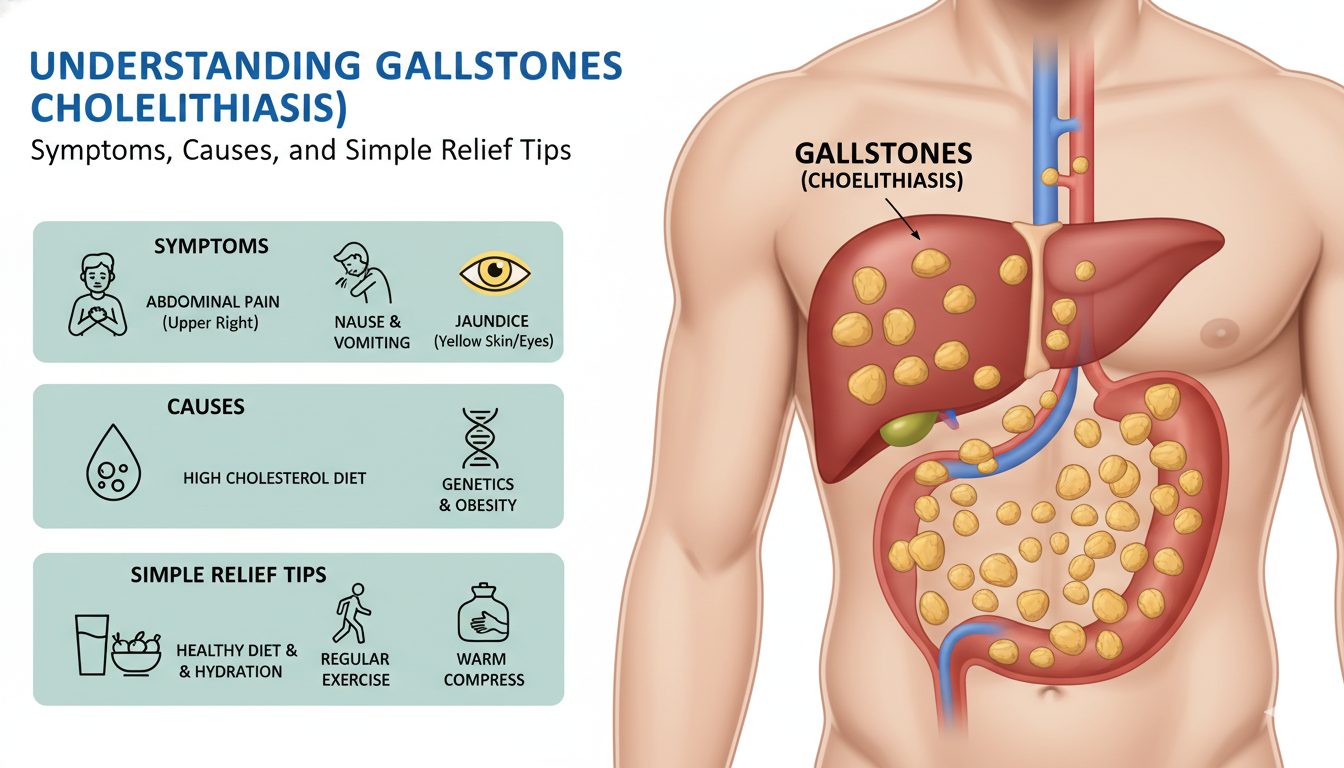
Most people with cholerhiasis do not feel anything at first. These are often called “silent stones.” However, if a stone gets stuck in a tube and blocks the flow of bile, you will definitely know it. The most common sign is a sudden, gripping pain in the upper right side of your stomach. This pain might also spread to your right shoulder or even your back. You might feel sick to your stomach or feel like you need to throw up. These “attacks” often happen at night or right after you eat a very greasy or heavy meal.
Why Some People Get Cholerhiasis
There are several reasons why someone might develop cholerhiasis. Your genes play a big role; if your parents had gallstones, you might be more likely to get them too. Your weight and what you eat also matter quite a bit. Eating lots of fried foods or things with high fat can make the gallbladder work harder and increase the risk of stones. Additionally, losing weight very quickly can sometimes trigger the formation of these stones because it changes the balance of chemicals in your liver. It is all about how your body processes the fats you consume.
The Different Types of Stones
Not all cases of cholerhiasis involve the same kind of stones. The most common type is the cholesterol stone, which usually looks yellow or green. These form when there is simply too much cholesterol in your bile. The second type is called a pigment stone, which is smaller and much darker. These are made of a substance called bilirubin. Knowing which type of stone a person has can sometimes help doctors figure out why they formed in the first place, though the symptoms usually feel exactly the same regardless of the color of the stone.
When to See a Doctor
If you have a tummy ache that goes away quickly, it might just be gas. But if you have cholerhiasis and the pain lasts for several hours, you should talk to a professional. You should seek help immediately if you notice your skin or the whites of your eyes looking yellow. This is called jaundice, and it means a stone is likely blocking an important duct. High fevers or chills along with belly pain are also serious signs that shouldn’t be ignored. It is always better to be safe and get a quick check-up to see what is happening inside.
How Doctors Find the Problem
To find out if cholerhiasis is the cause of your pain, doctors use special tools to look inside your body. The most common tool is an ultrasound. This machine uses sound waves to create a picture of your gallbladder on a computer screen. It is completely painless and very fast. Sometimes, they might use a CT scan or a special blood test to see how well your liver is working. These tests help the doctor see exactly where the stones are and if they are causing any swelling or dangerous blockages in your digestive system.
Simple Diet Changes to Help
Managing cholerhiasis often starts with what you put on your plate. Eating more fiber is a great first step. Fiber is found in things like oats, beans, fruits, and crunchy vegetables. It helps your digestive system stay smooth and prevents bile from getting too thick. You should also try to eat “good” fats, like those found in olive oil or nuts, instead of “bad” fats found in fried fast food. Drinking plenty of water every day is also key because it keeps your body hydrated and helps all your organs function much better.
Common Treatments for Relief
If cholerhiasis is causing a lot of pain, a doctor might suggest removing the gallbladder. This sounds scary, but the gallbladder is actually an organ you can live without! Your liver will just send the bile directly to your small intestine instead. This surgery is usually done through very small cuts and has a fast recovery time. For people who cannot have surgery, there are sometimes medicines that can help dissolve the stones over a long period, though these don’t always work for everyone. Your doctor will help you pick the best path.
Can You Prevent Gallstones?
While you cannot change your family history, you can lower your risk of cholerhiasis with healthy habits. Staying active and moving your body every day helps keep your cholesterol levels in check. Try to maintain a steady, healthy weight rather than going on “crash diets.” Rapidly skipping meals or starving yourself can actually make your gallbladder more likely to form stones. By eating regular, balanced meals and staying hydrated, you give your gallbladder the best chance to stay healthy and stone-free for a very long time.
Life After Gallbladder Removal
Many people worry about how they will eat after being treated for cholerhiasis through surgery. The good news is that most people feel much better once the painful stones are gone. You might need to be a little careful with very greasy foods for a few weeks while your body adjusts. Some people find that they need to eat smaller, more frequent meals instead of three big ones. Overall, your body is very smart and will learn how to digest food perfectly fine without that little storage tank, letting you get back to enjoying life.
Conclusion
Dealing with cholerhiasis can be a literal pain, but it is a very manageable condition. By paying attention to your body’s signals and making smart choices about your diet, you can find relief. Remember that small changes, like adding a bit more fiber to your breakfast or drinking an extra glass of water, can go a long way. If you ever feel that sharp pain we talked about, don’t be afraid to reach out to a healthcare provider. Taking care of your gallbladder is a big step toward feeling your best every single day!
Frequently Asked Questions
What is the main cause of cholerhiasis?
The most common cause is having too much cholesterol in your bile. When the bile cannot dissolve all the cholesterol, it turns into hard crystals that eventually become stones.
Can children get gallstones?
While cholerhiasis is much more common in adults, children can get them too. This usually happens if they have other health issues or if it runs very strongly in their family.
Do all gallstones require surgery?
No, not all stones need to be removed. If the stones are not causing any pain or problems, doctors often suggest just leaving them alone and keeping an eye on them.
What foods should I avoid if I have cholerhiasis?
It is best to stay away from very greasy, fried, or fatty foods. Things like heavy cream, butter, and fatty meats can trigger a painful gallbladder attack.
Is walking good for gallbladder health?
Yes! Regular exercise like walking helps your body manage cholesterol and maintain a healthy weight. This lowers the chances of new stones forming in the future.